
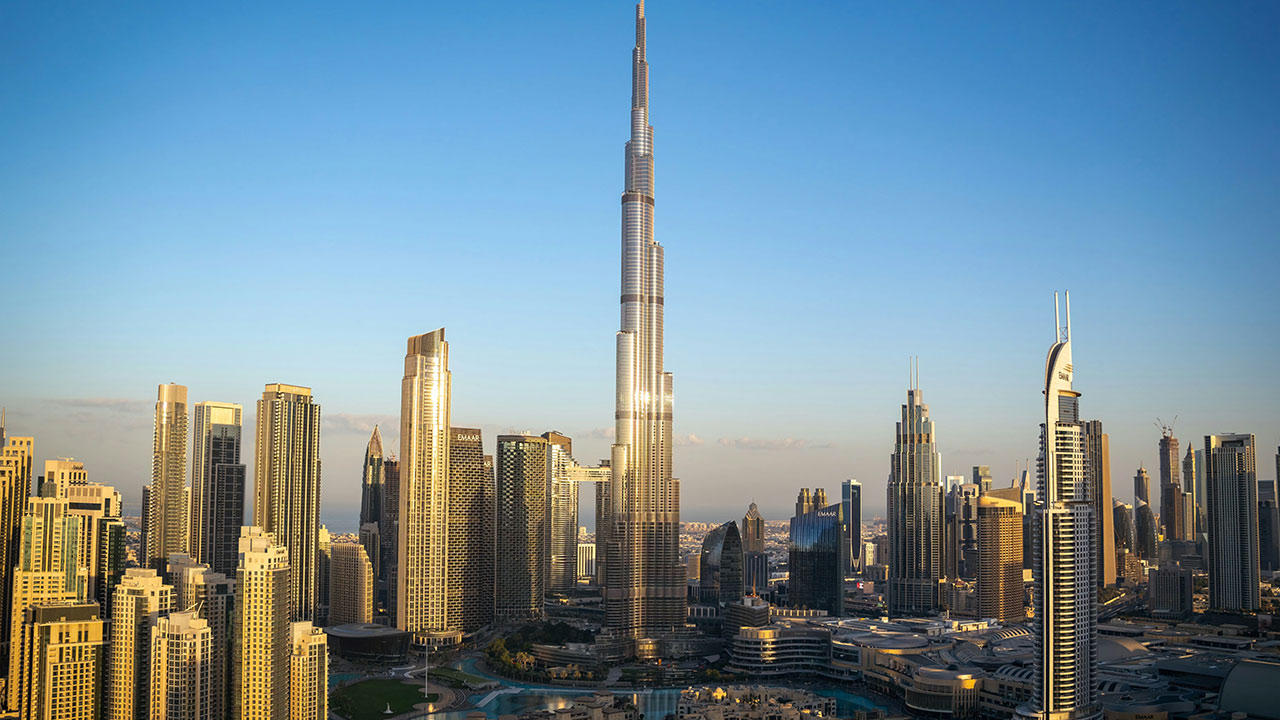
Global companies are heading to Dubai for reasons that go far beyond surface-level factors such as tax regimes or growth rates. The city has a deeper, structural strength rooted in its urban design philosophy and governance.
Drawing on my 18 years living in Dubai as a financial and economic analyst, this article combines on-the-ground experience with a global perspective to examine why Dubai continues to attract both companies and people.
Introduction: A rare city where work and life can both thrive
After 18 years in Dubai, I am convinced that cities where people can maintain both work and private life at a high standard are exceptionally rare on a global scale.
A warm climate contributes to people’s positive mindset and emotional margin. As a result, work-related stress is relatively low, and employee well-being remains high. That well-being feeds directly into productivity, creating a virtuous cycle.
This high-level balance of “life × business × freedom” is Dubai’s most significant yet often unseen asset.
In the 2025 World Happiness Rankings, the UAE placed 21st, ahead of major developed countries such as the UK, the US, Germany, and France, and ranked No.1 in the Arab region.
1. Why Dubai attracts companies from around the world

The reasons become clear when viewed from both structural advantages and lived experience.
An exceptional balance of security and freedom
Despite rapid population inflows:
- Security issues are rarely heard of
- Order remains intact even as immigration rises
- Nighttime outings are safe (women commonly walk alone)
This reflects extremely strong governance. While many cities see rising crime as immigration increases, Dubai stands out as a rare case where safety and quality of life improve as the population grows.
2. The most impactful government initiatives

Digital government as the biggest transformation
The policy I value most is the thorough implementation of digital government (administrative DX). Over 18 years, I have seen few countries where government has become this efficient and where the public burden is so minimal.
- Most administrative procedures are online
- Many tasks are completed in under 10 minutes on a smartphone
- Waiting at service counters is rare
- Paper-and-stamp culture has been fully eliminated
This is not just efficiency; it means the state is reducing the cost of business growth to its limits. From a company’s perspective, it delivers:
- Labor cost reduction
- Operational efficiency
- Elimination of procedural stress
- High transparency
Why order is maintained even as the population grows
Digital government maximizes:
“administrative transparency × oversight capability × public order.”
That’s why situations such as:
- Government losing control
- Crime surging
- Social order breaking down
are unlikely to occur. Even as the population rises, the city’s overall quality is maintained or improved, which is why governments worldwide study Dubai’s model.
3. Challenges and success factors for Japanese companies and startups

Bringing in a Japan-only mindset often leads to setbacks. Two key challenges are:
(1) The difficulty of choosing local partners
Dubai attracts entrepreneurs from all over the world, which means there is wide variation in:
- Commitment levels
- Professional standards
- Business ethics
Choosing the wrong partner affects speed of execution, contract compliance, and marketing outcomes.
(2) Strong products, but weak marketing
Japanese companies excel in quality, but often fall short in:
- Brand strategy
- Awareness building
- Launch design
- Influencer use
- Local design adaptation
Dubai is a city where brand strength wins over sales tactics. Companies that do not understand this struggle to grow.
What successful companies do in common
Companies that design for localization from the start tend to succeed at a higher rate.
- Let go of Japan-first standards
- Localize packaging, messaging, pricing, channels, and social media operations
- Secure reliable local partners at an early stage
In particular, early access to affluent communities and government-linked networks accelerates growth.
4. Comparison with other Middle Eastern cities (Riyadh and Doha)
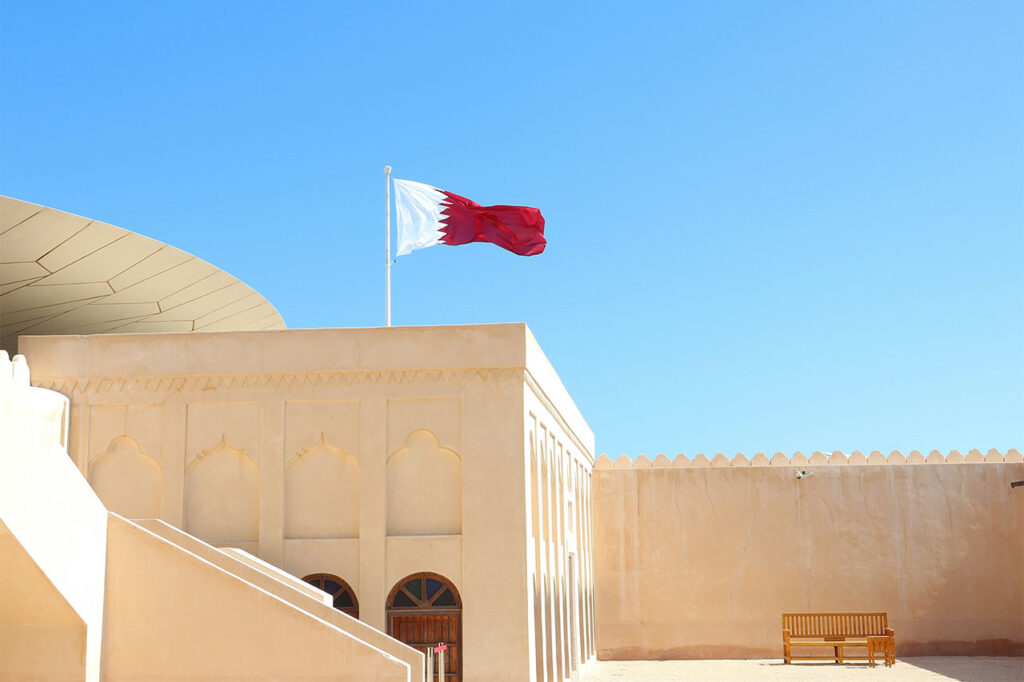
Dubai’s advantage lies in “freedom × security × diversity.”
Where Dubai stands out
- A rare balance of safety and freedom
- A wide range of lifestyle options (city, sea, desert, culture, finance in one city)
- Flexible business systems and low entry barriers
- A mature international community where diversity is the norm
Riyadh is growing fast but remains highly regulated. Doha still offers less lifestyle freedom. Dubai, by contrast, offers the unique trio of:
“room to challenge freely × exceptional safety × high living standards.”
5. The industries most likely to grow over the next 3–5 years
From a financial and economic analyst’s perspective:
(1) AI (Government AI × Urban AI × Industry AI)
Growth and investment scale are unmatched. The UAE has a clear national goal to become a top-tier AI hub by 2031, supported by:
- The world’s first Ministry of AI
- The establishment of an AI university
- Large-scale AI investment funds
- Incentives to attract AI firms
- Active recruitment of AI talent
AI business zones are already taking shape, and AI is likely to become the core industry over the next decade.
(2) Art, media, and the creative economy
The government supports creator development and the expansion of art-driven economic ecosystems.
- Art Dubai
- Design Week
- Strengthening of Media City
- New gallery attraction
- Creative industry visas
Tourism, art, and business are increasingly intertwined, accelerating Dubai’s rise as a “culture × economy” hub.
(3) Tourism, hospitality, and food culture (especially Japan-related)
Opportunities for Japanese companies are expanding.
- Rising demand for Japanese cuisine
- Popularity of combined tourism + food experiences
- Japanese hospitality becoming a “premium brand”
- High evaluations of Japanese-style wellness, beauty, and service
The market increasingly views “Japan-quality itself” as a distinct value.
6. New opportunity areas for Japanese companies

Three promising markets
- AI education (EdTech × AI × future talent)
Demand is rapidly rising for AI literacy, STEM education, and global talent development. - Food, hospitality, and tourism support
Japanese ingredients, service styles, tourism content, and cultural experiences are accepted as high-value offerings. - Art, anime, and content markets
Strong among affluent and high-culture segments; anime concerts, Japanese art, gaming culture, and collector markets are poised for growth.
7. Why Dubai is now the top magnet for global companies
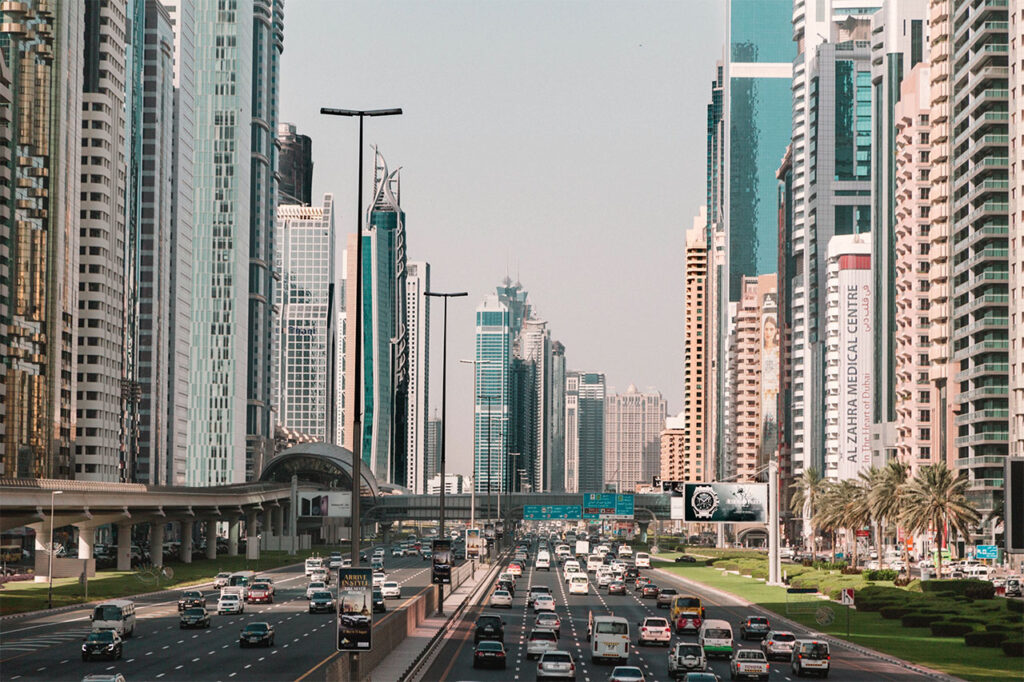
In short, Dubai is “a city designed as a platform to maximize corporate growth.”
- High quality of life
- Strong security
- Diverse and open international community
- Low-stress environment
- Extremely efficient government processes
- Clear national growth strategy
- Exceptionally fast pace of investment and innovation
Companies are made of people. Because global talent finds Dubai highly livable, corporate expansion and development can be sustained. After 18 years here, the enduring truth is simple: a city where people can work happily accelerates business growth. Dubai is one of the few cities that has realized this at the national level, and corporate inflows will continue, increasing its importance as a global growth engine.
Author Profile

Ryoko Kuwata
Founder & CEO, INSPIRE LAB GROUP
An economic analyst, entrepreneur, and media producer based in Dubai since 2008.
As CEO of INSPIRE LAB GROUP, she interprets macroeconomic and capital trends to design future value for individuals and companies. She supports the creation
of new global value across business, media, creative, and wellness domains.