
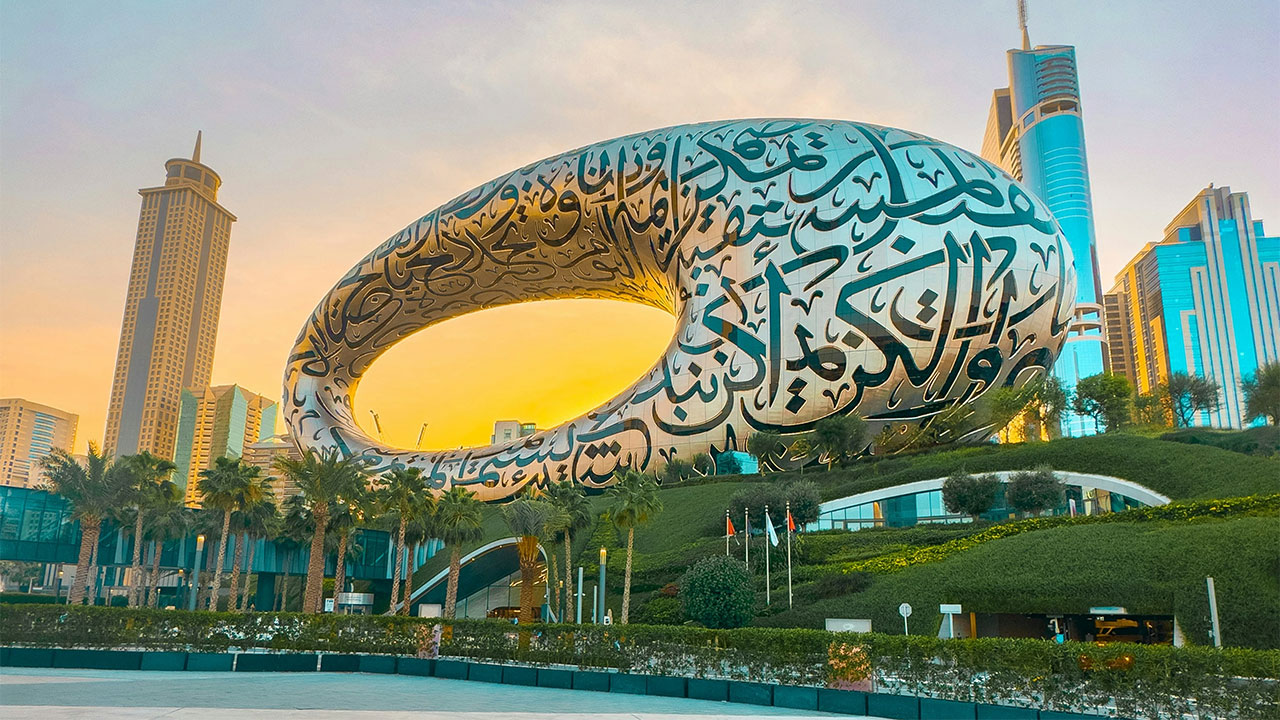
In an era of intense competition among global cities, why does Dubai continue to attract companies and talent? The answer goes beyond tax systems and infrastructure. Government-led development of creative industries—tourism, beauty, and entertainment—has lifted both the city’s brand and its economic growth.
This article combines the on-the-ground experience of Ryoko Kuwata, a financial and economic analyst living in Dubai for 18 years, with a global macro and finance perspective to examine how Dubai’s creative industries are reshaping urban value.
Introduction: The era when a city itself becomes a brand
Today’s city competition can no longer be explained by infrastructure and tax incentives alone. What increasingly defines urban value is the power of creativity—its ability to create compelling experiences and narratives.
Dubai stands at the forefront. By positioning tourism, beauty, entertainment, and content as pillars of its city strategy and nurturing them through government leadership, Dubai has evolved into a city that is itself a brand. The following cases reveal how this structure works in practice.
1. Why Dubai is called “a city that is itself a brand”
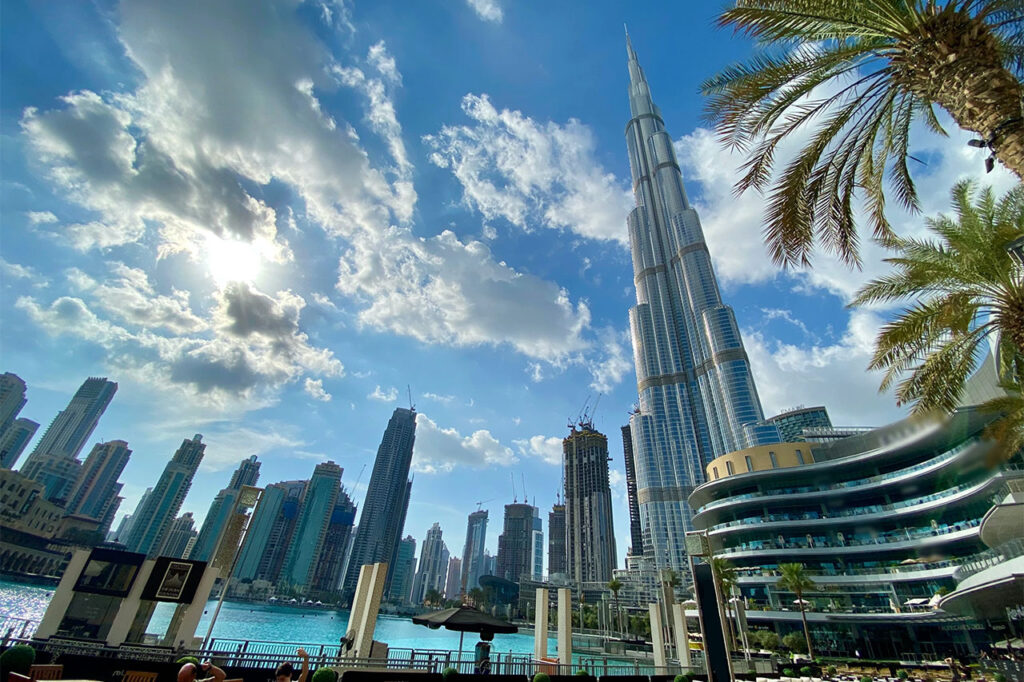
Case: Dubai 2040 Urban Master Plan
A symbolic example of Dubai’s urban branding is the Dubai 2040 Urban Master Plan. This is not merely a development plan; it is a national blueprint that defines the urban experience first, and builds the city around it.
Key elements include:
- A major expansion of green and public spaces
- The 15‑minute city concept (optimized living zones)
- Redefined cultural and tourism districts
- City design centered on resident happiness
The critical point is that “livability and experience value” are positioned as KPIs ahead of economic growth. Dubai is not building a city that simply looks good—it is designing a brand that people around the world want to live in.
2. How tourism and entertainment renew the city’s image
Case: Expo 2020 Dubai (legacy utilization)
While the Expo itself ended in 2022, the real focus is the “post‑Expo strategy.” The site was redeveloped into District 2020 (later Expo City Dubai) and now functions as:
- A startup hub
- Research institutions
- Cultural and educational facilities
- A venue for international events
In other words, Expo shifted from a one‑time mega event into a showcase of a future city, then into a testbed, and finally into a permanent urban function. This shows how Dubai uses events not as mere promotion, but as devices for experiencing the future city ahead of time.
3. Why beauty, fashion, and wellness are growing
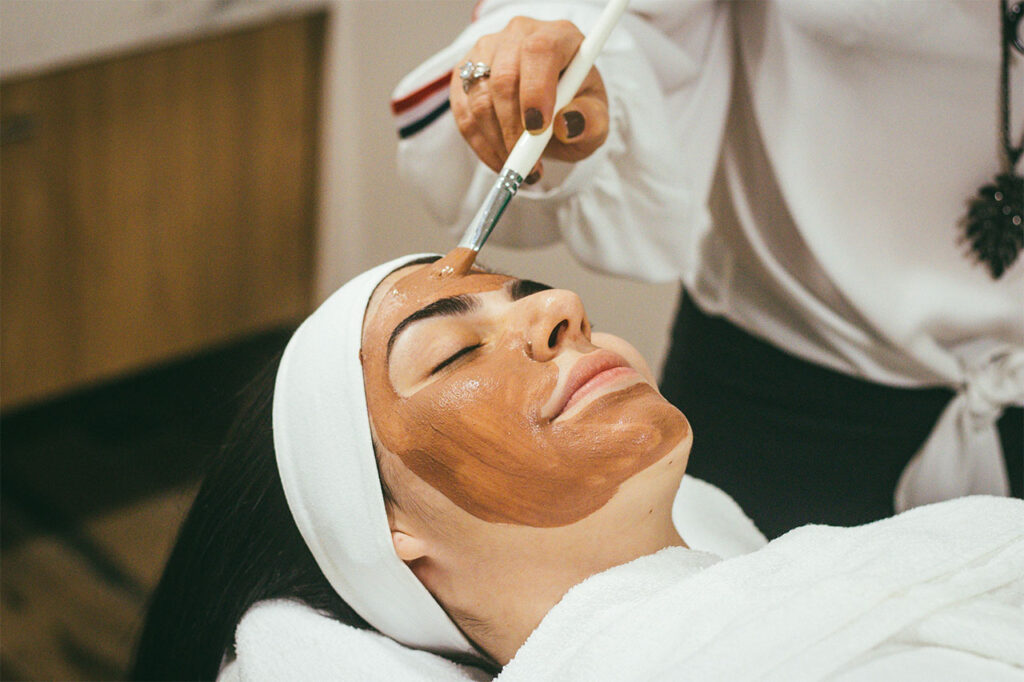
Case: Dubai Health Experience (DXH)
A signature example is Dubai Health Experience (DXH), a government‑led platform that integrates “medical care,” “cosmetic and aesthetic surgery,” “wellness,” and “recovery” into a tourism experience, ensuring that overseas visitors can access services with confidence.
The key is that beauty and healthcare are treated not as luxury consumption, but as part of the city’s value. In Dubai,
- Luxury spas
- Advanced cosmetic clinics
- Preventive and holistic care
- Fertility treatment
are positioned as infrastructure for experiencing the city’s appeal. As a result, beauty and wellness function as twin engines for tourism revenue and enhanced city image.
4. Potential for collaboration with Japanese anime, games, and art
Case: Dubai Program for Gaming 2033
Announced in 2023, the Dubai Program for Gaming 2033 (DPG33) positions the gaming industry as a national strategic sector.
- Entering the world’s top 10 gaming cities
- Creating roughly 30,000 jobs
- Startup and IP development
- Attracting international events and e‑sports
These goals represent major opportunities for Japanese anime, game, and character IP. In Dubai, Japanese culture is not viewed as niche; it is assessed as global IP for economic implementation. Co‑creation models that combine exhibitions, events, education, and tourism will become increasingly viable.
5. How Dubai will evolve into a “culture × economy” hub

Case: Dubai Design District (d3)
Dubai Design District (d3) represents the city’s future vision. It is a government‑led creative zone where:
- Fashion
- Design
- Art
- Media
- Startups
cluster together. It is not simply an office district, but an ecosystem designed to generate culture. Companies, creators, investors, and educational institutions intersect daily, creating an environment where culture translates directly into economic value.
Dubai is moving from a “city that hosts cultural events” to a “city where culture circulates as an industry.”
Conclusion
Dubai’s creative industries are not built on glamour alone. Urban planning, policy, industrial design, and global strategy are tightly integrated, constructing a city model where culture functions as an economic engine from the outset.
That is why Dubai continues to evolve from a “business city” into a “culture × economy future city.”
Author Profile
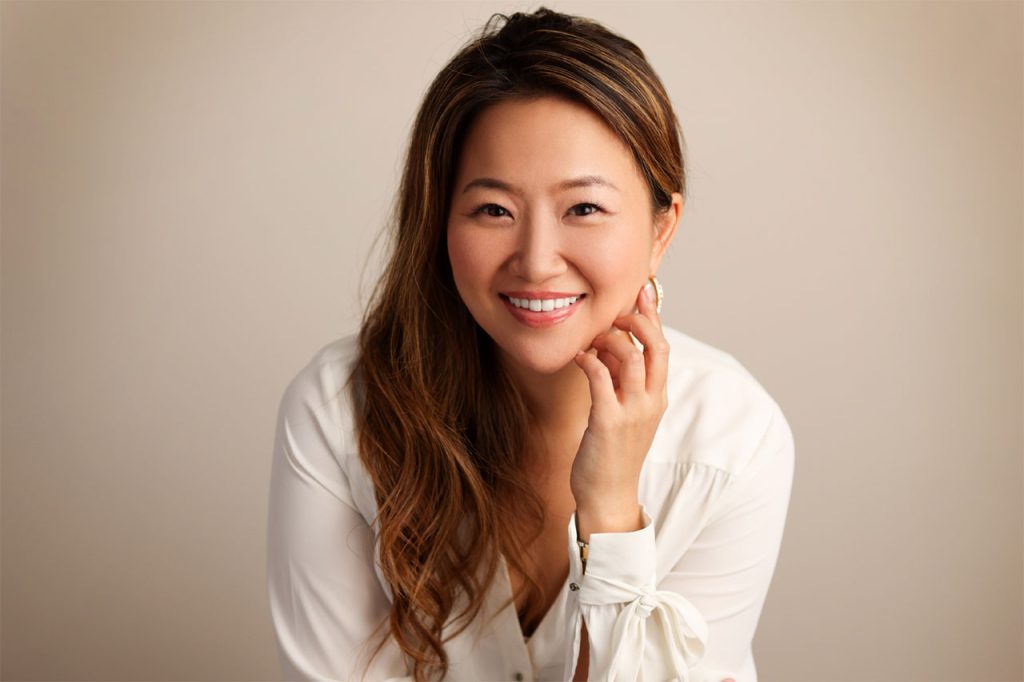
Ryoko Kuwata
Founder & CEO, INSPIRE LAB GROUP
An economic analyst, entrepreneur, and media producer based in Dubai since 2008.
As CEO of INSPIRE LAB GROUP, she interprets macroeconomic and capital trends to design future value for individuals and companies. She supports the creation
of new global value across business, media, creative, and wellness domains.